Understanding Thyroid Surgery

Your thyroid is a small, butterfly-shaped gland located in the front of your neck, but despite its size, it plays a big role in keeping your body functioning properly. It helps regulate metabolism, heart rate, energy levels, body temperature, and even your mood. When something goes wrong with the thyroid, it can cause symptoms that affect your daily life — and in some cases, surgery may be the most effective solution.
At SurgerySouth, PC, patients receive expert surgical care for a variety of thyroid conditions. This article will help you understand why thyroid surgery is performed, what the procedure involves, and what to expect during recovery.
What Is Thyroid Surgery?
Thyroid surgery, also called a thyroidectomy, is a procedure where a surgeon removes part or all of the thyroid gland. Depending on your diagnosis, your surgeon may recommend one of the following:
- Partial thyroidectomy: Only one part, or lobe, of the thyroid is removed.
- Total thyroidectomy: The entire thyroid gland is removed.
- Near-total thyroidectomy: The majority of the thyroid is removed, leaving behind a very small amount of tissue.
Your surgeon will determine which type of surgery is appropriate based on your symptoms, test results, and overall health.
Why Is Thyroid Surgery Recommended?
There are several reasons a doctor might recommend thyroid surgery. The most common include:
1. Thyroid Nodules
Nodules are lumps in the thyroid gland. Most nodules are harmless, but some can grow large enough to cause problems with swallowing or breathing. If a nodule appears suspicious or has signs of potential cancer, surgery is typically recommended.
2. Goiter (Enlarged Thyroid)
A goiter can develop when the thyroid becomes enlarged. Large goiters may cause neck swelling, difficulty swallowing, choking sensations, or pressure on the windpipe. Surgery may be necessary to relieve these symptoms.
3. Thyroid Cancer
If cancer is found in the thyroid gland, surgery is usually the first step in treatment. Removing cancerous tissue gives the best chance for long-term health and may be combined with additional treatments as needed.
4. Hyperthyroidism
Some patients have an overactive thyroid that produces too much hormone. When medication or other treatments aren’t effective, surgery may be recommended to remove part or all of the thyroid.
What Happens During Thyroid Surgery?
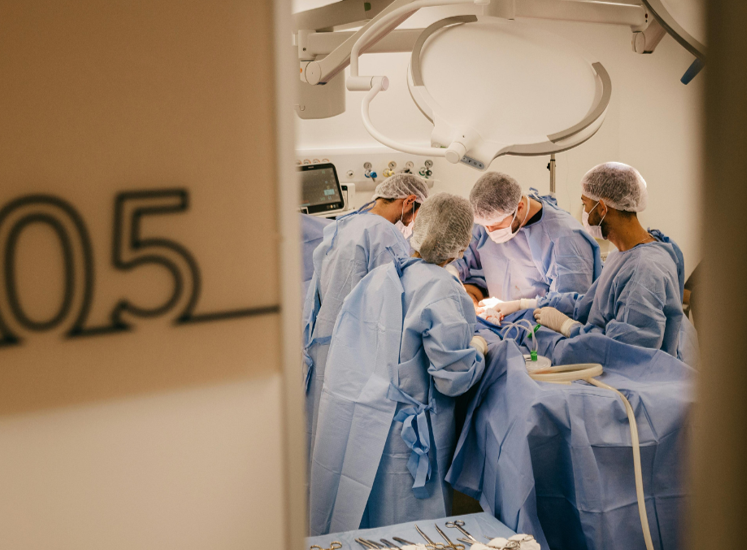
Thyroid surgery is typically performed under general anesthesia, meaning you’ll be fully asleep and will not feel pain during the procedure.
Here’s what usually happens during surgery:
- A small incision is made across the lower part of the neck, often placed along a natural skin crease to minimize visible scarring.
- The surgeon gently moves aside important muscles, blood vessels, and glands to reach the thyroid.
- Part or all of the thyroid gland is removed, depending on your condition.
- If thyroid cancer is suspected or confirmed, lymph nodes in the area may also be examined or removed.
- The incision is closed with sutures or surgical glue.
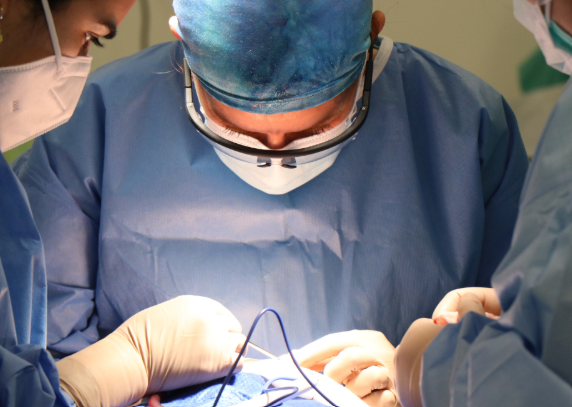
Thyroid surgery requires a skilled surgeon because the thyroid is located near nerves that control the vocal cords and glands that regulate calcium levels in the body. At SurgerySouth, PC, thyroid procedures are performed with precision and care to protect these delicate structures.
Recovery After Thyroid Surgery
Most patients recover well after thyroid surgery. Here is what you can expect:
Hospital Stay
Many patients go home the same day or after an overnight stay, depending on the extent of the surgery and overall health.
Pain and Healing
You may experience mild discomfort, a sore throat, or neck stiffness for a few days. These symptoms usually improve quickly, and pain medication can help during the early recovery period.
The incision will heal over time and typically becomes less noticeable as the weeks pass.
Activity
Most people can return to normal daily activities within a few days. However, heavy lifting, strenuous exercise, or activities that strain the neck should be avoided for about one to two weeks.
Voice Changes
Temporary hoarseness or voice fatigue can happen because the nerves that control your vocal cords are close to the thyroid. These changes usually improve within days or weeks.
Calcium Levels
If the tiny parathyroid glands are affected during surgery, calcium levels may drop temporarily. Your doctor may recommend calcium supplements until levels stabilize.
Thyroid Medication
If the entire thyroid is removed, you will need lifelong thyroid hormone replacement. This medication is simple to take and helps your body function normally. Your doctor will monitor your hormone levels and adjust the dosage as needed.
Potential Risks of Thyroid Surgery
Thyroid surgery is generally very safe, especially in experienced hands. However, like any surgical procedure, it carries some risks, including:
- Bleeding or infection
- Hoarseness or voice changes
- Low calcium levels
- Need for lifelong thyroid hormone replacement
Your surgeon will talk with you about these risks and explain what steps are taken to minimize complications.
Why Choose SurgerySouth, PC?
SurgerySouth, PC offers expert surgical care with a patient-centered approach. Their team provides:
- Comprehensive evaluation of thyroid nodules, goiters, and thyroid disorders
- Personalized treatment plans tailored to your needs
- Skilled surgical care with a focus on safety and comfort
- Clear communication and support throughout your treatment and recovery
Our surgeons understand how important the thyroid is to your overall health and take the time to explain every step of the process, so you feel confident and informed.
Is Thyroid Surgery Right for You?
If you’ve been diagnosed with thyroid nodules, an enlarged thyroid, thyroid cancer, or an overactive thyroid, surgery may be the best option to protect your health. Talk with your doctor about your symptoms, concerns, and treatment goals. A thorough evaluation can help determine whether thyroid surgery is the right path forward.
Final Thoughts
Thyroid surgery can be an important step toward restoring your health, relieving uncomfortable symptoms, and preventing more serious complications. With the right surgical team, the procedure is safe, effective, and offers long-term benefits.
If you have concerns about your thyroid or have been advised that you may need surgery, the experienced team at SurgerySouth, PC is here to guide you.
Contact SurgerySouth, PC today to schedule a consultation and discover your thyroid surgery options.