What Is a non-robotic paraoesophageal hernia procedure?

If you’ve been diagnosed with a paraoesophageal hernia, you may feel overwhelmed by the medical terms and treatment options being discussed. One procedure you might hear about is the non-robotic paraoesophageal hernia procedure performed by Dr. Brian Myers. While the name sounds complicated, the concept is straightforward. This procedure is a traditional surgical approach to repairing a paraesophageal hernia without the use of robotic assistance.
At Surgery South, PC, experienced general surgeons provide personalized surgical care for a wide range of conditions, including complex hernia repairs. Understanding your condition and treatment options can help you feel more confident and prepared as you move forward.
Understanding Paraesophageal Hernias
A paraesophageal hernia is a type of hiatal hernia. Normally, the stomach sits below the diaphragm, a large muscle that helps with breathing. The esophagus passes through a small opening in the diaphragm to connect to the stomach.
In a paraesophageal hernia, part of the stomach pushes up through this opening and sits next to the esophagus inside the chest. Unlike more common sliding hiatal hernias, paraesophageal hernias can be more concerning because the stomach can become trapped or twisted. This may affect blood flow and lead to serious complications if left untreated.
Some people with a paraesophageal hernia have no symptoms at first, while others experience:
- Chest or upper abdominal pain
- Heartburn or acid reflux
- Difficulty swallowing
- Feeling full quickly when eating
- Shortness of breath
When symptoms worsen or complications develop, surgery may be recommended to correct the problem and prevent further issues.
What Does a Non-Robotic Myers-Paraoesophageal Hernia Procedure Mean?
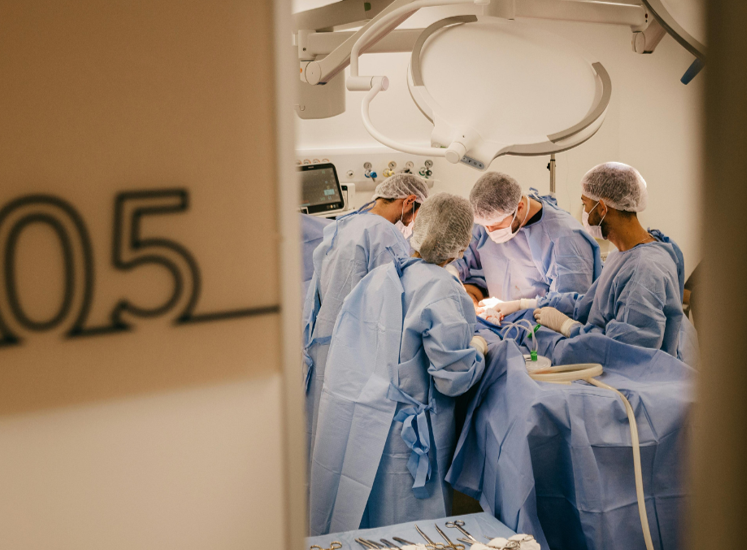
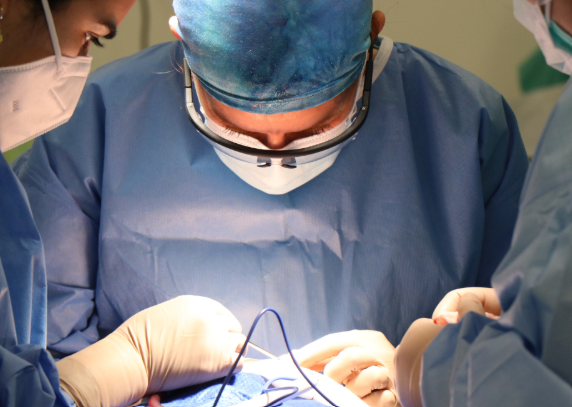
A non-robotic paraoesophageal hernia procedure performed by Dr. Brian Myers, refers to a hernia repair performed using traditional surgical techniques rather than robotic-assisted technology. In this approach, the surgeon operates directly using specialized instruments, either through small incisions (minimally invasive laparoscopy) or, in certain cases, a larger incision.
At Surgery South, PC, patients benefit from continuity of care. The surgeon who evaluates you before surgery is the same surgeon who performs the procedure and follows you during recovery.
How the Procedure Is Performed
The main goal of paraesophageal hernia repair is to return the stomach to its proper position and strengthen the opening in the diaphragm to prevent the hernia from coming back.
Key Steps in the Surgery
- Anesthesia: The procedure is performed under general anesthesia, so you will be asleep and comfortable.
- Access to the Hernia: In a non-robotic repair, the surgeon typically uses a laparoscopic approach with small incisions and a camera to see inside the body. In more complex cases, an open approach may be necessary.
- Returning the Stomach to Place: The stomach is gently moved back into the abdomen from the chest.
- Repairing the Diaphragm: The opening in the diaphragm is tightened with sutures to reduce the risk of recurrence.
- Additional Reinforcement: In some cases, a procedure called a fundoplication is performed to help prevent acid reflux by strengthening the valve between the stomach and esophagus.
Each surgery is carefully tailored to the patient’s anatomy, symptoms, and overall health.
Non-Robotic vs. Robotic Hernia Repair
Minimally invasive hernia surgery can be performed with or without robotic assistance. Robotic surgery uses specialized equipment controlled by the surgeon, while non-robotic laparoscopic surgery relies on the surgeon’s hands and traditional instruments.
Both approaches aim to reduce pain, shorten hospital stays, and support faster recovery compared to older open surgeries. The best approach depends on many factors, including the size of the hernia, patient health, and the surgeon's expertise. At Surgery South, the focus is always on choosing the safest and most effective option for each patient.
Who May Need Surgery?
Not every paraesophageal hernia requires immediate surgery. However, surgery may be recommended if:
- You have persistent symptoms such as pain, reflux, or trouble swallowing
- The hernia is large or worsening
- There is concern for complications such as stomach twisting or reduced blood flow
- Lifestyle changes and medications have not relieved symptoms
Your surgeon will review imaging studies, discuss your symptoms, and consider your overall health before recommending surgery.
What to Expect Before and After Surgery
Before Surgery
You will meet with your surgeon to discuss your condition, review test results, and go over the surgical plan. You’ll receive instructions on how to prepare, including dietary guidelines and medication adjustments.
After Surgery
Recovery time varies, but many patients go home within one to two days after minimally invasive surgery. You may follow a temporary soft or liquid diet as your body heals. Mild pain or soreness is common but usually manageable with medication. Most patients gradually return to normal activities over several weeks.
Your care team at Surgery South will provide detailed post-operative instructions and schedule follow-up visits to ensure proper healing.
Why Choose Surgery South, PC
Surgery South, PC has provided high-quality surgical care to the community for decades. The practice is known for its experienced, board-certified general surgeons and patient-centered approach. From consultation through recovery, patients receive attentive care and clear communication every step of the way.
The team focuses on advanced surgical techniques, safety, and individualized treatment plans designed to achieve the best possible outcomes.
Final Thoughts
A non-robotic paraoesophageal hernia procedure performed by Dr. Brian Myers is a proven surgical option for repairing paraesophageal hernias. While the name may sound complex, the goal is simple: restore normal anatomy, relieve symptoms, and prevent future complications.
Understanding your condition and treatment choices can help you feel empowered as you make decisions about your health.
Contact Surgery South Today
If you are experiencing symptoms of a paraesophageal hernia or have questions about surgical treatment options, Surgery South, PC is here to help. Their experienced surgical team will evaluate your condition and guide you through the next best steps.
Contact Surgery South, PC today to schedule a consultation and learn more about paraesophageal hernia repair.